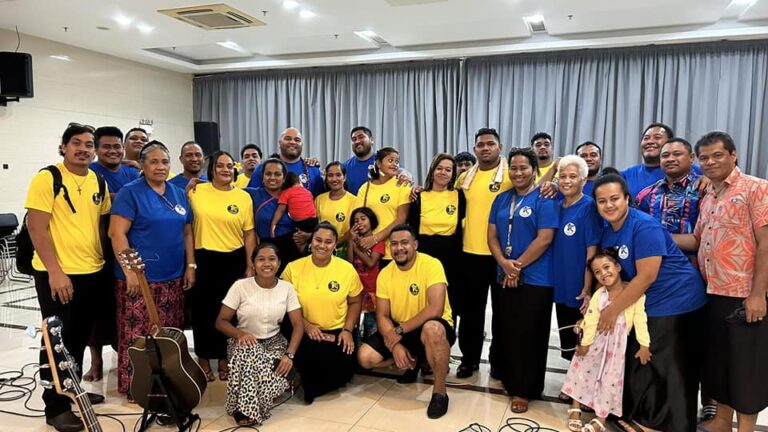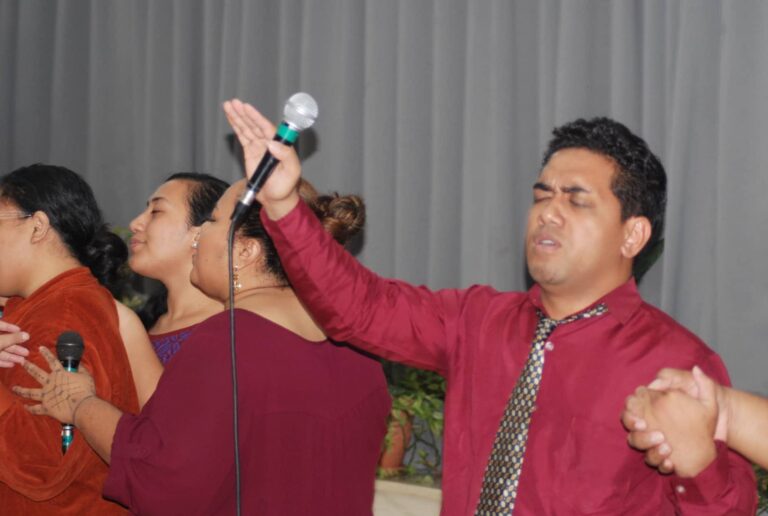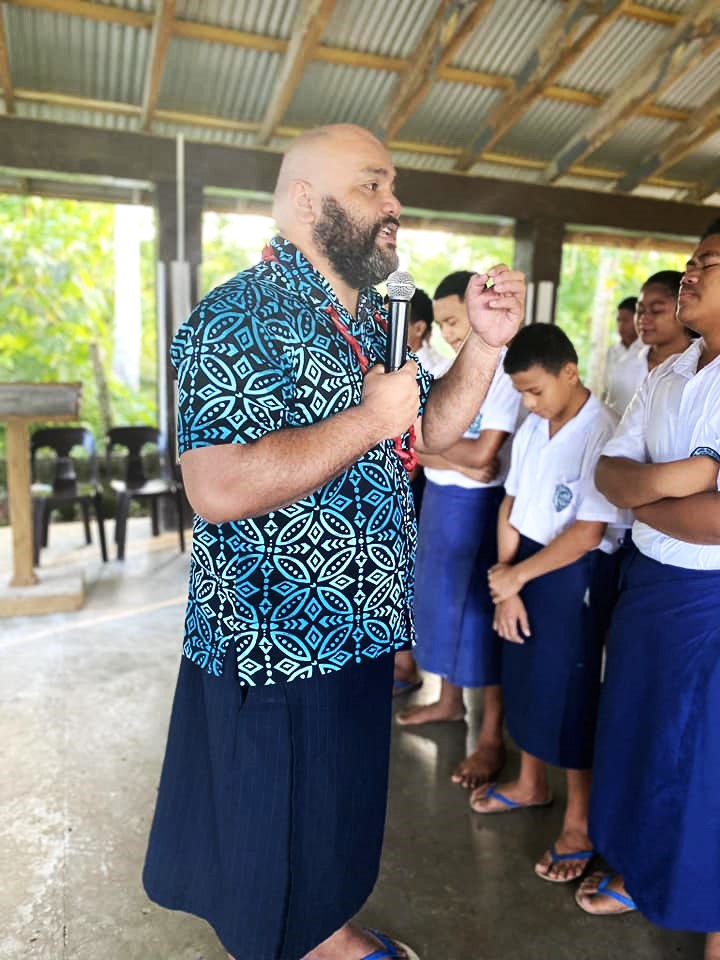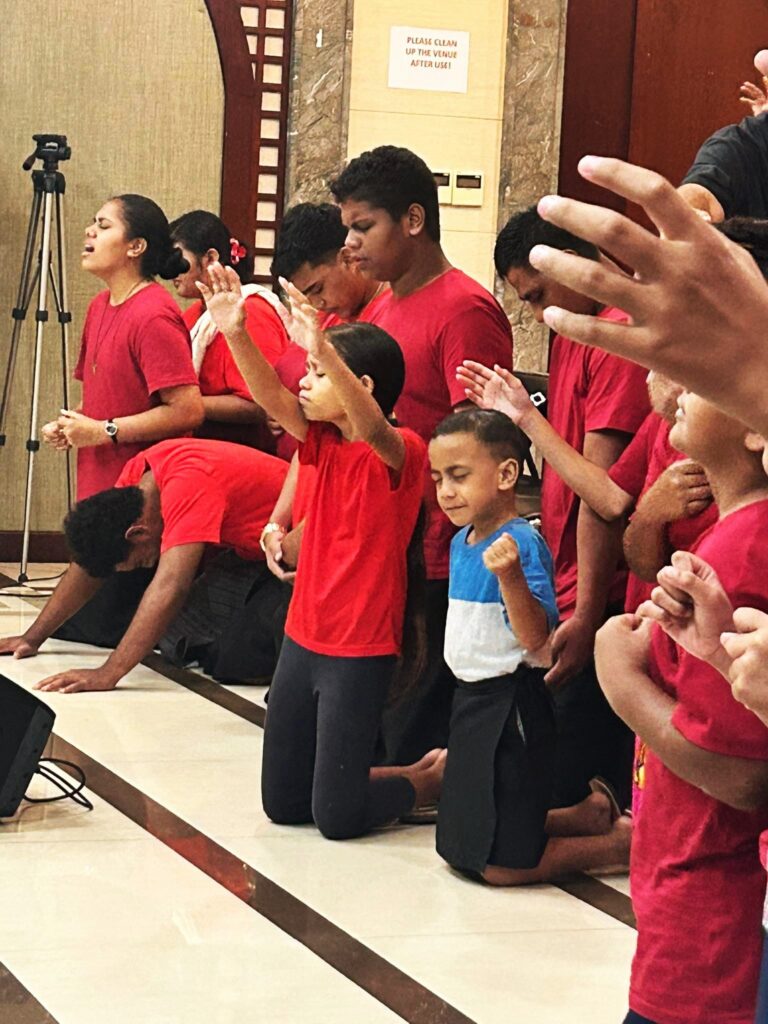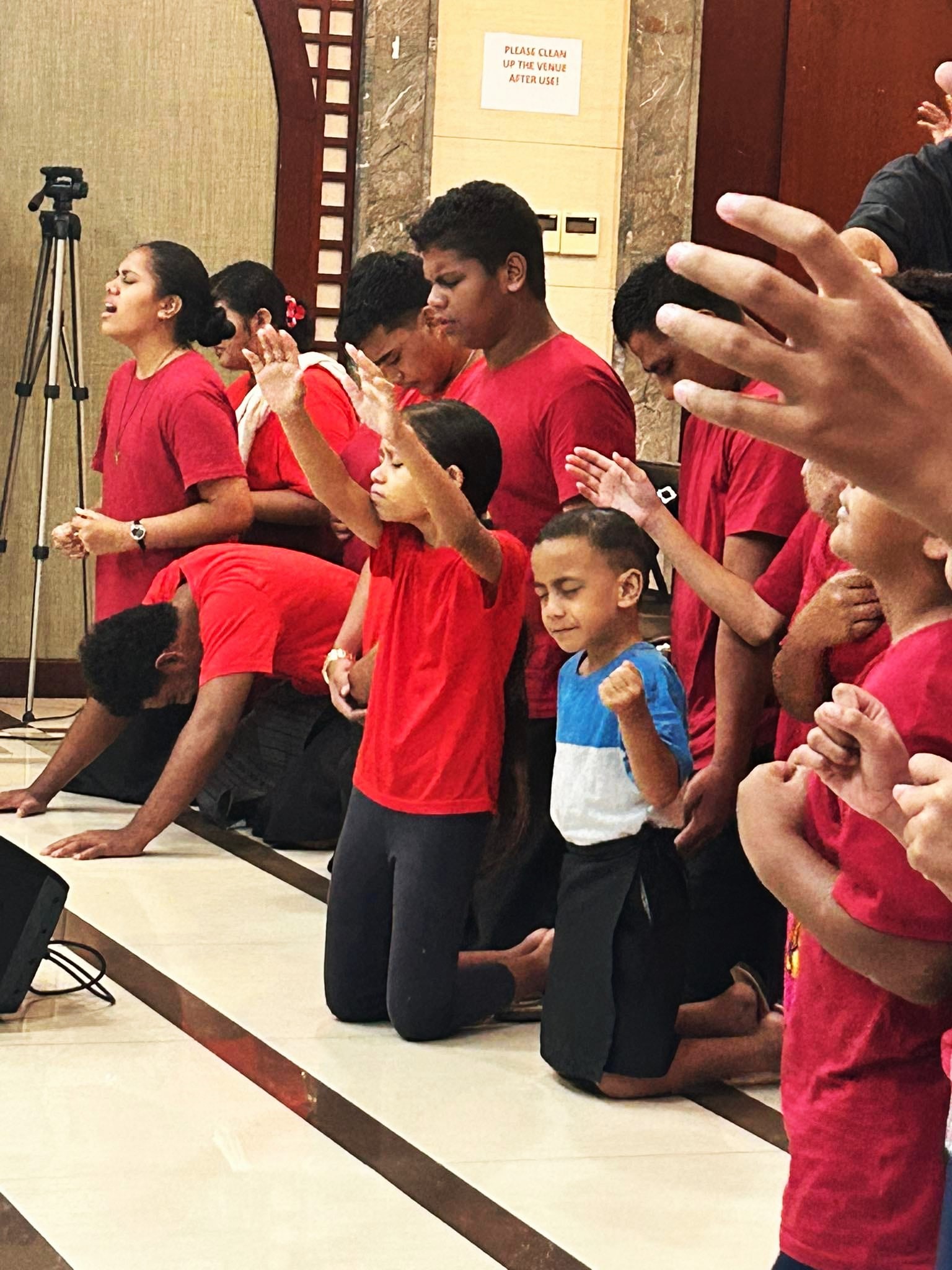
Because of you…

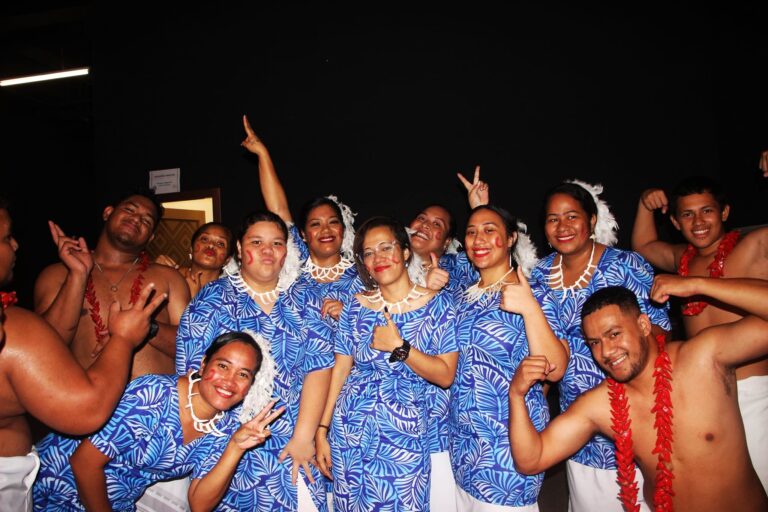
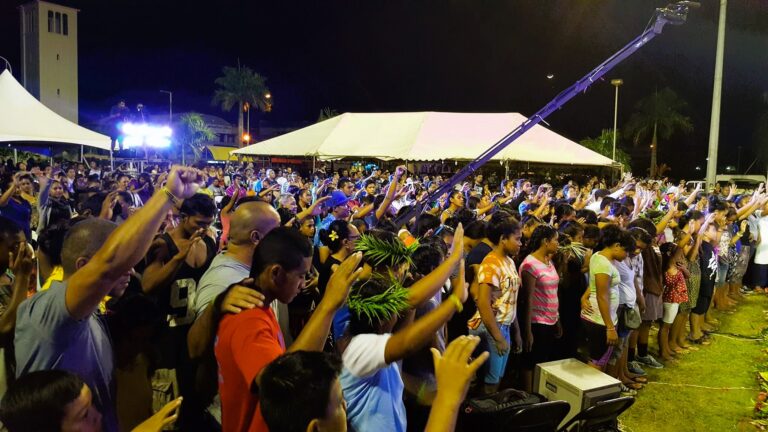
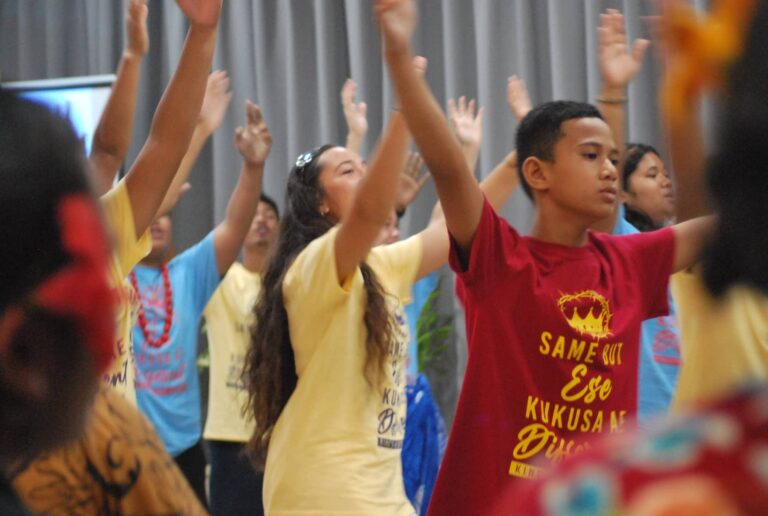
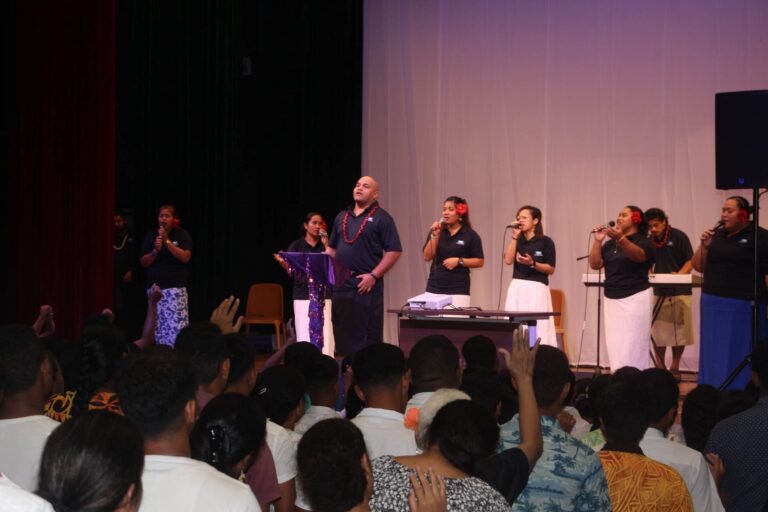
Youth for Christ’s team conducts rallies, High School ministry, street evangelism, radio programs, sports, prison, Youth Guidance, and village bible studies. Furthermore, they conduct leadership training, mentoring and discipleship and ministry for young couples, young women and singles.
Prayer Needs

  • Staffing and funding resources for ministry programs
  • Spiritual development and encouragement of leadership
  • Increased evangelism and relationship with the local churches

About Samoa

Samoa

Map of Samoa

Introduction

New Zealand occupied the German protectorate of Western Samoa at the outbreak of World War I in 1914. It continued to administer the islands as a mandate and then as a trust territory until 1962, when the islands became the first Polynesian nation to reestablish independence in the 20th century. The country dropped the "Western" from its name in 1997.

Geography

Location

Location: Oceania, group of islands in the South Pacific Ocean, about half way between Hawaii and New Zealand
Geographic Coordinates: 13 35 S, 172 20 W

Area

Total Area: 2,831 sq km Rank: 177
Land Area: 2,821 sq km
Water Area: 10 sq km
Comparison: slightly smaller than Rhode Island
Land Boundaries: 0 km
Coastline: 403 km

Climate

tropical; rainy season (November to April), dry season (May to October)

Terrain

two main islands (Savaii, Upolu) and several smaller islands and uninhabited islets; narrow coastal plain with volcanic, rocky, rugged mountains in interior

Elevations

Lowest Point: Pacific Ocean 0 m
Highest Point: Mauga Silisili (Savaii) 1,857 m

Natural Resources

hardwood forests, fish, hydropower

Land Use

Arable land: 21.13%
Permanent Crops: 24.3%
Other: 54.57% (2005)
Irrigated Land: NA

Environment

Natural Hazards: occasional typhoons; active volcanism
Environmental Issues: soil erosion, deforestation, invasive species, overfishing
Environmental Agreements: Party to: Biodiversity, Climate Change, Climate Change-Kyoto Protocol, Desertification, Hazardous Wastes, Law of the Sea, Ozone Layer Protection, Ship Pollution, Wetlands

Geography Notes

occupies an almost central position within Polynesia

People

Population: 219,998 Rank: 184
Note: prior estimates used official net migration data by sex, but a highly unusual pattern for 1993 lead to a significant imbalance in the sex ratios (more men and fewer women) and a seeming reduction in the female population; the revised total was calculated using a 1993 number that was an average of the 1992 and 1994 migration figures (July 2010 est.)

Age Structure

0-14 years: 37.6% (male 42,117/female 40,603)
15-64 years: 56.7% (male 65,541/female 59,292)
65 years and over: 5.7% (male 5,538/female 6,907) (2010 est.)
Median Age: 21.7 years

Population Growth

Growth Rate: 1.346% (2010 est.) Rank: 99
Birth Rate: 28.06 births/1,000 population (2010 est.) Rank: 54
Death Rate: 5.79 deaths/1,000 population (July 2010 est.) Rank: 170
Net Migration Rate: -8.81 migrant(s)/1,000 population (2010 est.) Rank: 172

Urbanization

Urban Population: 23% of total population (2008)
Rate of Urbanization: 1.7% annual rate of change (2005-10 est.)

Life and Death

Infant Mortality Rate: 24.22 deaths/1,000 live births Rank: 89
Life Expectancy at Birth: 71.86 years Rank: 126
Fertility Rate: 3.32 children born/woman (2010 est.) Rank: 43

Health and Disease

HIV/AIDS - Adult Prevalence Rate NA
People living with HIV/AIDS: NA
HIV/AIDS Deaths: NA

Nationality and Culture

Noun: Samoan(s)
Adjective: Samoan
Ethnic Groups: Samoan 92.6%, Euronesians (persons of European and Polynesian blood) 7%, Europeans 0.4% (2001 census)
Religion: Congregationalist 34.8%, Roman Catholic 19.6%, Methodist 15%, Latter-Day Saints 12.7%, Assembly of God 6.6%, Seventh-Day Adventist 3.5%, Worship Centre 1.3%, other Christian 4.5%, other 1.9%, unspecified 0.1% (2001 census)
Languages: Samoan (Polynesian), English

Education

Literacy (Meaning, age 15 and over can read and write): 99.7% Male: 99.6% Female: 99.7% (2003 est.)
School life expectancy (primary to tertiary education): 12 years Male: 12 years Female: 12 years (2001)
Education expenditures: 4.3% of GDP (2002) Rank: 95

Government

Country Name

Conventional Long Form: Independent State of Samoa
Conventional Short Form: Samoa
Local Long Form: Malo Sa'oloto Tuto'atasi o Samoa
Local Short Form: Samoa
Formerly: Western Samoa
Government Type: parliamentary democracy
Capital: Apia Geographic Coordinates: 13 50 S, 171 44 W

Administrative divisions

11 districts; A'ana, Aiga-i-le-Tai, Atua, Fa'asaleleaga, Gaga'emauga, Gagaifomauga, Palauli, Satupa'itea, Tuamasaga, Va'a-o-Fonoti, Vaisigano
Independence: 1 January 1962 (from New Zealand-administered UN trusteeship)
National holiday: Independence Day Celebration, 1 June (1962); note - 1 January 1962 is the date of independence from the New Zealand-administered UN trusteeship; it is observed in June
Constitution: 1 January 1962
Legal system: based on English common law and local customs; judicial review of legislative acts with respect to fundamental rights of the citizen; has not accepted compulsory ICJ jurisdiction
Suffrage: 21 years of age; universal

Executive Branch

Chief of State: TUIATUA Tupua Tamasese Efi (since 20 June 2007)
Head of Government: Prime Minister Sailele Malielegaoi TUILA'EPA (since 1998); Deputy Prime Minister MISA Telefoni (since 2001)
Cabinet: Cabinet consists of 12 members appointed by the chief of state on the prime minister's advice
Elections: chief of state elected by the Legislative Assembly to serve a five-year term (no term limits); election last held on 15 June 2007 (next to be held in 2012); following legislative elections, the leader of the majority party usually appointed prime minister by the chief of state with the approval of the Legislative Assembly
Election Results: TUIATUA Tupua Tamasese Efi unanimously elected by the Legislative Assembly

Legislative Branch

unicameral Legislative Assembly or Fono (49 seats, 47 members elected by voters affiliated with traditional village-based electoral districts, 2 elected by independent, mostly non-Samoan or part-Samoan, voters who cannot, (or choose not to) establish a village affiliation; only chiefs (matai) may stand for election to the Fono from the 47 village-based electorates; members serve five-year terms)
Elections: election last held on 31 March 2006 (next election to be held not later than March 2011)
Election Results: percent of vote by party - NA; seats by party - HRPP 35, SDUP 10, independents 4

Judicial branch

Court of Appeal; Supreme Court; District Court; Land and Titles Court

Politics

Political Parties and Leaders: Human Rights Protection Party or HRPP [Sailele Malielegaoi TUILA'EPA]; Samoa Christian Party or TCP [Tuala Tiresa MALIETOA]; Samoa Democratic United Party or SDUP [LE MAMEA Ropati]; Samoa Party or SP [Su'a Rimoni Ah CHONG]; Samoa Progressive Political Party or SPPP [Toeolesulusulu SIUEVA]
Political Pressure Groups and Leaders: NA
International Organization Participation: ACP, ADB, AOSIS, C, FAO, G-77, IBRD, ICAO, ICCt, ICRM, IDA, IFAD, IFC, IFRCS, ILO, IMF, IMO, Interpol, IOC, IPU, ITU, ITUC, MIGA, OPCW, PIF, Sparteca, SPC, UN, UNCTAD, UNESCO, UNIDO, UPU, WCO, WHO, WIPO, WMO, WTO (observer)
Flag Description: red with a blue rectangle in the upper hoist-side quadrant bearing five white five-pointed stars representing the Southern Cross constellation; red stands for courage, blue represents freedom, and white signifies purity

Economy

Economy Overview: The economy of Samoa has traditionally been dependent on development aid, family remittances from overseas, agriculture, and fishing. The country is vulnerable to devastating storms. Agriculture employs two-thirds of the labor force and furnishes 90% of exports, featuring coconut cream, coconut oil, and copra. The manufacturing sector mainly processes agricultural products. One factory in the Foreign Trade Zone employs 3,000 people to make automobile electrical harnesses for an assembly plant in Australia. Tourism is an expanding sector accounting for 25% of GDP; 122,000 tourists visited the islands in 2007. In late September 2009, an earthquake and the resulting tsunami severely damaged Samoa, and nearby American Samoa, disrupting transportation and power generation, and resulting in about 200 deaths. The Samoan Government has called for deregulation of the financial sector, encouragement of investment, and continued fiscal discipline, while at the same time protecting the environment. Observers point to the flexibility of the labor market as a basic strength for future economic advances. Foreign reserves are in a relatively healthy state, the external debt is stable, and inflation is low.

Gross Domestic Product

GDP (purchasing power parity): $1.037 billion (2009 est.) Rank: 199
GDP - real growth rate: -0.8% (2009 est.) Rank: 124
GDP - per capita (PPP): $5,400 (2009 est.) Rank: 139
GDP - Composition by Sector: Agriculture: 11.6% Industry: 13.1% Services: 75.3% (2004 est.)

Labor Force

Labor Force: 66,270 (2007 est.) Rank: 184
Unemployment Rate: NA

Poverty

Population below poverty line: NA

Transnational Issues

Disputes - international: none

Want to know more? Show Full Profile